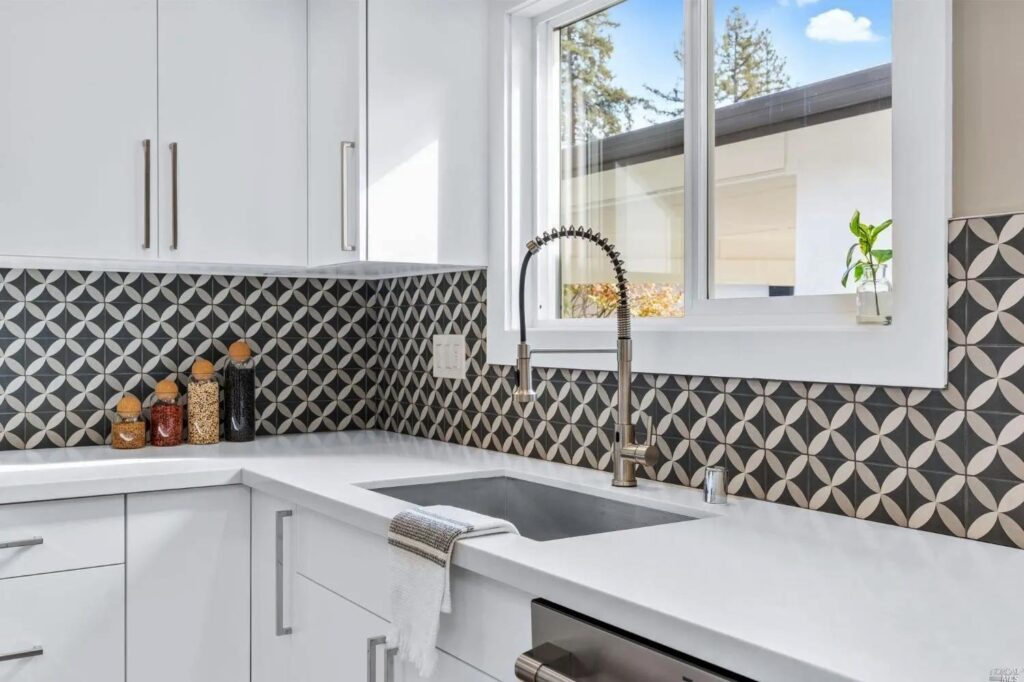
Estimating a home renovation is a crucial step in the planning process to ensure that your project stays on budget and that you have a clear understanding of the costs involved. Here are the steps to estimate a home renovation:
- Define Your Scope of Work:
- Start by clearly defining the scope of your renovation project. What specific changes or improvements do you want to make to your home? This could include updates to the kitchen, bathroom, basement, or other areas.
- Create a Detailed List of Work:
- Break down the project into individual tasks and components. For example, if you’re renovating a kitchen, list items like cabinets, countertops, flooring, appliances, plumbing, electrical, and so on.
- Gather Information and Specifications:
- Collect detailed information and specifications for each component of the project. This may involve measuring the space, selecting materials, and deciding on specific fixtures or appliances.
- Obtain Quotes from Contractors:
- Contact multiple contractors or construction professionals to provide you with quotes or estimates for the work. Be sure to provide them with the detailed scope of work and specifications.
- Consider Labor and Materials Costs:
- Break down your estimates into two main categories: labor and materials. Labor costs should include the cost of hiring professionals, subcontractors, and any permit fees. Materials costs should cover the cost of all the materials required for the project, such as lumber, fixtures, paint, and flooring.
- Factor in Contingencies:
- Include a contingency fund in your estimate to account for unexpected expenses or changes that may arise during the renovation. A common rule of thumb is to allocate 10-20% of the total project cost as a contingency.
- Account for Overhead and Profit:
- If you’re working with a contractor, remember that they will need to cover their overhead costs and make a profit. Typically, this is factored into their estimate or bid.
- Calculate the Total Cost:
- Sum up all the individual costs for labor, materials, contingencies, and any other expenses to calculate the total estimated cost for your renovation project.
- Compare and Review Estimates:
- Review the estimates from different contractors and evaluate them based on their completeness, accuracy, and your confidence in the contractor’s ability to deliver the project as specified.
- Finalize Your Budget:
- Once you have a clear understanding of the estimated costs, finalize your renovation budget. Ensure that it aligns with your financial resources and that you have a plan for how to fund the project.
- Prioritize and Make Adjustments:
- If the estimated cost exceeds your budget, consider prioritizing certain elements of the project or making adjustments to reduce costs. You may need to scale back on certain features or choose more cost-effective materials.
- Get Written Contracts:
- If you decide to move forward with a contractor, make sure you have a detailed written contract that outlines all aspects of the project, including costs, timelines, and expectations.
- Plan for Additional Costs:
- Be prepared for potential additional costs that may arise during the renovation, such as change orders or unforeseen issues discovered during construction.
Remember that estimating a home renovation is a critical step, and accuracy is essential to ensure a successful project. It’s also a good idea to consult with professionals, such as contractors or architects, who can provide valuable insights and help you create a realistic estimate.